.png)
A Brief Breakdown of The Slasher Subgenre
- Robbie Weavers

- Aug 30, 2022
- 4 min read
Updated: Aug 31, 2022
In this article we'll be looking at a brief history and exploration of the slasher, a prime example being 1978's Halloween - which follows babysitter Laurie Strode as she fights to survive against murderous inmate Michael Myers after he escapes from prison on Halloween night.

The horror subgenre of The Slasher is one of the most unique and notorious of it’s type, making its start in the 1930’s with what many consider to be the first slasher film - 1932’s Thirteen Women. As suggested by the title, the thirteen women all being hunted down and killed by one assailant is an idea that has expanded into the roots of the subgenre for almost 90 years now. In the 1960’s the subgenre grew to include Hitchcock’s Psycho and Michael Powell’s Peeping Tom yet it is in the 70’s that the slasher subgenre really came into what some refer to as The Golden Age of Slasher - 1974’s Texas Chainsaw Massacre began to establish the foundations for the contemporary slasher whilst 1978’s Halloween cemented itself as what most critics now refer to as the modern slasher.
The idea of a ‘modern slasher’ is one which is built primarily around unique ‘stalk-attack-kill’ sequences that sees a group of victims - ‘typically teenagers’ - fight for their survival as they are picked off one by one by a typically mysterious killer. Halloween establishes these tropes through teen Laurie Strode and her friend group being killed one by one by the masked killer Michael Myers. The popularity of Halloween and Myers as a vehicle through which to deliver the kills that the modern slasher relies on, spawned a great number of inspired films such as Friday the 13th, Nightmare on Elm Street, and The Slumber Party Massacre, franchises that still produce content for modern audiences, and hold a place in the zeitgeist to this day.
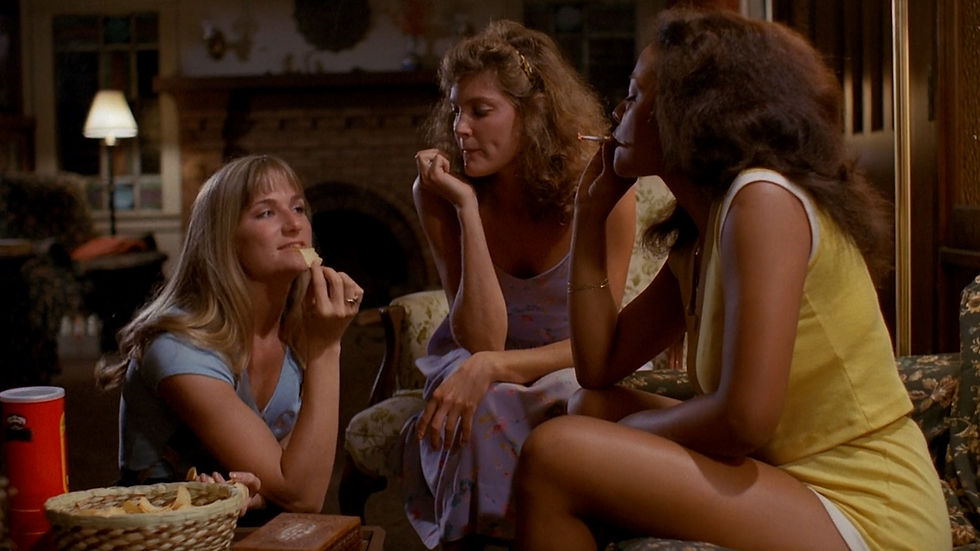
Another trope that Halloween helped to cement was the idea of the final girl - after the rest of her friends have been killed by the antagonist - typically there will be one ‘final girl’ who outsmarts the killer and manages to seemingly defeat them at the very last second. Sally Hardesty from The Texas Chainsaw Massacre and Laurie Strode’s survival in Halloween can be said to have inspired the endings of countless films in the slasher subgenre such as Black Christmas, Happy Death Day, or The Wrong Turn. as well as horror films outside of the subgenre such as Alien, a sci-fi horror genre film that could still be said to have taken influences from the slasher subgenre.
Many believe that what makes Halloween such a mainstay in the pantheon of slasher films is that it was one of the first to tackle, as critic Grossberg says, : ‘the real world … social issue controversies’ - Halloween helps establish the cliche or trope within slasher films that the more liberal approach to sexuality and sexual activity was mark of death for these teenagers, some critics see the film as reaction to the effects of the free love movement in the late 60’s and as a result the growing destigmatisation of sex itself. This inclusion of this highly debated topic at the time would have made the film more controversial for more reserved adults and more exciting and appealing to the teenager demographic slasher films cater for. The same process can be analysed with drug culture - any form of indulgence in a ‘golden age slasher’ generally acted as an indicator a character was soon going to die.
The constantly changing nature of these real world controversies that Grossberg talks about is a key reason why we can see the slasher evolve over time - another notable period of the slasher can be seen in a post 9/11 society in which primarily American filmmakers veer away from the punishment of sex and drugs - instead choosing to, as seen in films such as Hostel, posit that death is random and often inescapable, there are markedly fewer final girls in this period, with filmmakers choosing to punish anyone for anything rather than look at the patriarchal nature of punishment as most slashers had up to this point.
This development of social issues in films that Grossberg talks about can be seen impacting not just in the horror genre but in every other genre as well, one notable example being Marvel Studio’s 2018 Black Panther which tackled racism, technology, colonialism, and representation. Although these are not new social issues, a reinvigorated wave of activism and campaigns for equality and social freedoms can be seen influencing one of the most successful blockbusters of the 21st century. The superhero and action genre had evolved to successfully incorporate the social issue controversies that some may have previously believed had no place in a superhero movie.
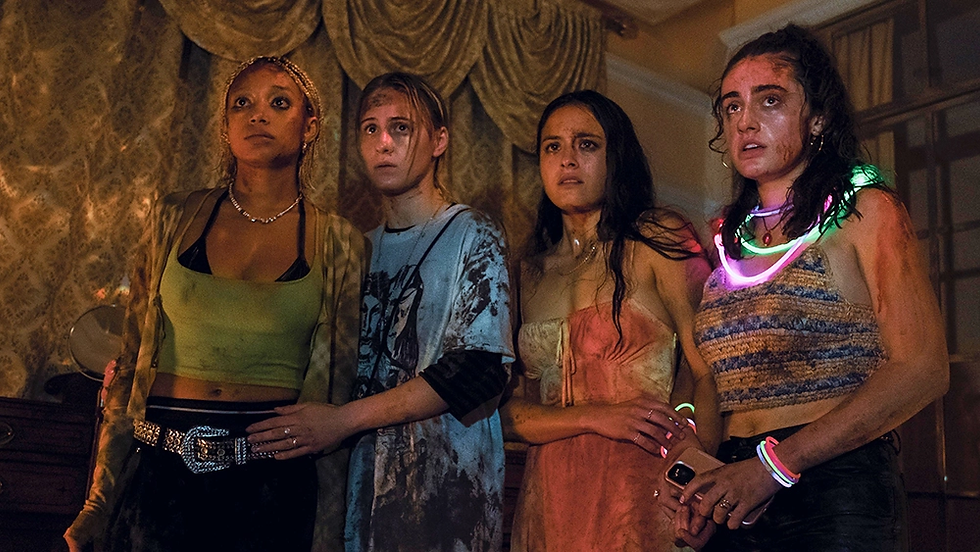
We are now seeing another wave of 'Gen-Z' horror films, taking culture and references from a new generation of the audience. The slasher is now becoming a vehicle of intense, pointed messaging in regards to gender and sexuality activism. They/Them, and Bodies, Bodies, Bodies, in particular are all leading the charge in the new culture of the slasher genre. The new, natural evolution that has managed to sustain and rejuvenate these kinds of films for decades.


Comments